

简介
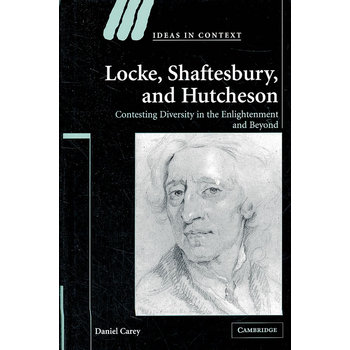
Daniel Carey examines afresh the fundamental debate within theEnlightenment about human diversity. Three central figures - Locke,Shaftesbury, and Hutcheson - questioned whether human nature wasfragmented by diverse and incommensurable customs and beliefs orunified by shared moral and religious principles. Locke's critiqueof innate ideas initiated the argument, claiming that no consensusexisted in the world about morality or God's existence. Testimonyof human difference established this point. His position wasdisputed by the third Earl of Shaftesbury who reinstated a Stoicaccount of mankind as inspired by common ethical convictions and animpulse toward the divine. Hutcheson attempted a difficultsynthesis of these two opposing figures, respecting Locke'scritique while articulating a moral sense that structured humannature. Daniel Carey concludes with an investigation of therelationship between these arguments and contemporary theories, andshows that current conflicting positions reflect long-standingdifferences that first emerged during the Enlightenment.
目录
Introduction
1. Locke, diversity, and the natural history of man
2. The uses of diversity: Locke's reply to Stoicism
3. Locke's anthropology: travel, innateness, and the exercise ofreason
4. Contesting diversity: Shaftesbury's Reply to Locke
5. Method, moral sense, and the problem of diversity: FrancisHutcheson and the Scottish Enlightenment
6. Conclusion: the future of diversity
Bibliography
Index
光盘服务联系方式: 020-38250260 客服QQ:4006604884
云图客服:
用户发送的提问,这种方式就需要有位在线客服来回答用户的问题,这种 就属于对话式的,问题是这种提问是否需要用户登录才能提问
Video Player
×
Audio Player
×
pdf Player
×
