

简介
Summary:
Publisher Summary 1
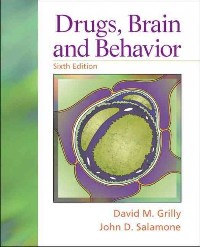
The use and abuse of drugs, and their effects on behavior聽The book integrates information from the various fields, including pharmacology, neuroscience, psychology and psychiatry, to provide a broad perspective on how drugs affect behavioral processes.聽Drugs, Brain and Behaviordescribes the psychological effects of drugs, and how drug actions can be understood in terms of effects on the brain. This discussion includes drugs that are used for the treatment of psychiatric disorders, as well as common drugs of abuse. Rather than simply focusing on drug dependence and addiction, this text also places considerable emphasis on drug treatments for various psychiatric disorders such as: schizophrenia, depression, anxiety, parkinsonism, ADHD and Alzheimer's disease. It also combines neurotransmitter-based approaches to the field with perspectives that emphasize specific drugs and distinct drug categories. Intended for Undergraduate courses in Psychopharmacology and/or Drugs and Behavior, this new edition ofDrugs, Brain,聽and Behavior provides an overview of the field of psychopharmacology, which focuses on the behavioral effects of drugs.聽Teaching & Learning ExperiencePersonalize Learning鈥?The new MySearchLab with eText delivers proven results in helping students succeed and provides engaging experiences that personalize learning.Improve Critical Thinking鈥?Content encourages students to consider the psychological effects of drugs and how drug actions can be understood in terms of effects on the brain.Engage Students 鈥?Updated references and figures reflect current trends and data. Explore Research 鈥?Discussions of pharmacotherapy in psychiatry, current neurochemical hypotheses, and general phenomena of drug dependence and use, among other topics.Support Instructors - MyTest, PowerPoints, and an instructor's manual offer additional support for instructors.Note: MySearchLab with eText does not come automatically packaged with this text. To purchase MySearchLab with eText, please visit: www.mysearchlab.comor you can purchase a valuepack of the text + MySearchLab with eText (at no additional cost). VP: 0205234992 / 9780205234998
目录
Table Of Contents:
Chapter 1 Psychopharmacology in Perspective 1(20)
A Historical Overview of Psychopharmacology 2(2)
Predecessors to Modern Pharmacotherapies 4(1)
The Psychopharmacological Revolution 5(4)
Recreational and Social Drug Use 9(12)
Summary and Overview 19(1)
Websites for Further Information 19(2)
Chapter 2 Drug Classification and Behavioral Assessment 21(8)
Drug Classifications Based Upon Behavioral or Therapeutic Actions 21(3)
Drug Classification Based Upon Basic Neurochemical Actions 24(1)
Drug Names and Medical Uses of Drugs 24(1)
Schedule-Controlled Drugs 25(4)
Websites for Further Information 28(1)
Chapter 3 Basic Principles of Pharmacology 29(24)
Basic Chemical Principles Related to Psychopharmacology 30(4)
Routes of Administration 34(3)
Importance of the Blood-Brain Barrier in Psychopharmacology 37(1)
Dose-Response Relationships 38(6)
Drug Metabolism and Excretion 44(5)
Implications of Pharmacokinetics in the Fetus and Neonate 49(1)
Pharmacogenetic and Ethnic Factors in Drug Action 50(3)
Websites for Further Information 52(1)
Chapter 4 Excitability and Chemical Signaling in Nerve Cells 53(17)
The Neuron 54(1)
Electrical Excitability of Neurons: The Resting Membrane Potential 55(4)
Electrical Excitability of Neurons: Excitation, Inhibition, and the Action Potential 59(4)
Integration, Computation, and Chemical Signaling in Neurons 63(3)
Additional Features of Chemical Neurotransmission 66(4)
Websites for Further Information 69(1)
Chapter 5 Synaptic Transmission, Drugs, and Chemical Neuroanatomy 70(31)
Neurotransmitters and Chemical Signaling in the Nervous System 71(5)
Synthesis of Neurotransmitters 76(4)
Storage of Neurotransmitters 80(1)
Release of Neurotransmitters 81(1)
Postsynaptic Actions of Neurotransmitters 82(7)
Inactivation of Neurotransmitters 89(2)
Chemical Neuroanatomy and Neurotransmitter Distribution 91(10)
Peripheral Nervous System 91(2)
Central Nervous System: General Overview of Brain Anatomy 93(3)
Central Nervous System: Some Neurotransmitter Projection Systems in the Brain 96(4)
Websites for Further Information 100(1)
Chapter 6 Tolerance, Sensitization, Dependence, And Addiction 101(31)
Tolerance and Sensitization 101(2)
Tolerance and Sensitization Mechanisms 103(9)
Pharmacokinetic and Pharmacodynamic Mechanisms 103(5)
Context-Specific Tolerance and Sensitization 108(4)
Dependence, Abuse, and Addiction 112(15)
Neurobiological Approaches to Drug Dependence and Addiction 117(5)
Various Factors in Dependence 122(5)
General Factors in Treatment for Drug Dependency 127(3)
State-Dependent Learning 130(2)
Websites for Further Information 131(1)
Chapter 7 Psychomotor Stimulants and Antiparkinsonian Drugs 132(47)
Motor Effects of Psychomotor Stimulants 134(1)
Caffeine 135(5)
Nicotine 140(6)
Amphetamines and Related Drugs 146(8)
Behavioral Effects of Amphetamines 147(3)
Clinical Uses of Amphetamines 150(1)
Pharmacokinetics and Pharmacodynamics of Amphetamines 150(2)
Dependence on Amphetamines 152(2)
Effects of Chronic Amphetamine Exposure 154(1)
Cocaine 154(11)
Behavioral Effects of Cocaine 155(1)
Pharmacokinetics and Pharmacodynamics of Cocaine 156(2)
Cocaine Dependence 158(5)
Adverse Consequences of Cocaine Use 163(2)
Treatment of Cocaine and Amphetamine Abuse 165(5)
Modafinil 170(2)
Drug Treatment of Parkinson's Disease 172(7)
Websites for Further Information 178(1)
Chapter 8 Antipsychotic Drugs and Neurochemical Hypotheses of Schizophrenia 179(26)
Symptoms of Schizophrenia 179(2)
Discovery and Characterization of Antipsychotic Drugs 181(18)
Conventional (Typical, First-Generation) Antipsychotics 182(5)
Atypical (Second-Generation) Antipsychotics 187(3)
Neurochemical Effects of Antipsychotic Drugs 190(4)
Augmentation of Antipsychotic Drug Treatment 194(1)
Antipsychotic Side Effects 195(4)
Neurochemical and Neuropathological Hypotheses of Schizophrenia 199(4)
Current Pharmacotherapy for Schizophrenia 203(2)
Websites for Further Information 204(1)
Chapter 9 Antidepressants and Mood Stabilizers 205(31)
Pharmacotherapy for Depression 207(13)
First-Generation Monoamine Oxidase Inhibitors 208(3)
Reversible Inhibitors of Monoamine Oxidase A 211(1)
First-Generation Monoamine Uptake Inhibitors: Tricyclic Antidepressants 211(2)
Selective Serotonin Reuptake Inhibitors 213(3)
Additional Drug Treatments for Depression 216(3)
Psychomotor Stimulants 219(1)
Drug Combinations in the Treatment of Depression 219(1)
Neurobiological Hypotheses of Affective Disorders 220(6)
Genetic Factors 220(1)
The Monoamine Hypothesis of Mood Disorders 220(4)
The Neurotrophic Theory of Affective Disorders 224(2)
Other Potential Neurotransmitters Involved in Mood Disorders 226(1)
Nondrug Treatments for Depression 226(1)
Placebo Effects and Antidepressant Actions 227(1)
Pharmacotherapy in Mania and Bipolar Illnesses 228(8)
Lithium 229(1)
Efficacy of Lithium in Mood Disturbances 230(1)
Pharmacokinetics of Lithium 231(1)
Alternatives to Lithium in the Treatment of Bipolar Disorders 231(3)
Neurochemical Effects of Mood Stabilizers 234(1)
Websites for Further Information 235(1)
Chapter 10 Sedative-Hypnotics, Anxiolytics, and Anticonvulsants 236(40)
Alcohol (Ethanol) 237(21)
Ethanol Pharmacokinetics 238(2)
Neurochemical Effects of Ethanol 240(1)
Psychological Effects of Ethanol 241(2)
Chronic Effects of Alcohol Use 243(4)
Beneficial Effects of Alcohol 247(1)
Alcoholism: Tolerance, Abstinence, and Withdrawal 247(2)
Etiology of Alcoholism 249(4)
Treatment of Alcoholism 253(5)
Barbiturates and Other Sedative-Hypnotics 258(1)
Inhalants: Anesthetic Gases and Solvents 259(1)
Anxiolytics 260(10)
Anxiety Disorders Treated with Anxiolytics 261(1)
Behavioral Tests Used to Assess Anxiolytic Actions 262(1)
Benzodiazepines 262(5)
Buspirone 267(1)
Additional Treatments for Anxiety 268(2)
Sedative-Hypnotics and Insomnia 270(2)
Drug Treatment of Epilepsy: Anticonvulsant Drugs 272(4)
Websites for Further Information 275(1)
Chapter 11 Drug Treatment of Cognitive Dysfunction 276(18)
Attention Deficit Hyperactivity Disorder 276(9)
Psychomotor Stimulants, Learning, and Memory 285(2)
Treatment of Alzheimer's Disease and Senile Dementia 287(7)
Websites for Further Information 293(1)
Chapter 12 Naturally Occurring and Synthetic Opiates and Their Antagonists 294(24)
Endogenous Opioid Peptides and Their Receptors 295(2)
Typical Opiates 297(14)
Behavioral and Physiological Effects of Opiates 298(4)
Opioid Pharmacodynamics 302(1)
Tolerance and Dependence on Opiates 302(4)
Treatment for Opiate Dependence 306(5)
The "Overdose" Phenomenon 311(2)
Legal Factors in the Narcotics Problem 313(2)
Opiate Antagonists: Potential Uses 315(3)
Websites for Further Information 317(1)
Chapter 13 Dissociative Anesthetics, Psychedelics, and Hallucinogens 318(39)
Some General Characteristics of P/P/Hs 319(2)
Monoamine-Related P/P/Hs 321(13)
LSD's Historical Significance 323(2)
Neurochemical Effects of LSD and Related Compounds 325(2)
Psychological Effects of Monoarnine P/P/Hs 327(4)
MDMA ("Ecstasy") 331(3)
Cannabinoids 334(13)
Psychological Effects of Marijuana 335(3)
Cannabinoid Pharmacokinetics 338(1)
Neurochemical Effects of Delta-9-THC 339(2)
Psychopathological Effects of Marijuana 341(3)
Tolerance and Dependence on Cannabis 344(1)
Non-CNS-Related Effects of Marijuana 345(2)
Dissociative Anesthetics: Phencyclidine and Ketamine 347(8)
Neurochemical and Psychological Effects of PCP 348(2)
PCP-Induced Psychosis 350(1)
Treatment for PCP Psychosis 351(1)
Ketamine 351(1)
Anticholinergics 352(1)
Ibogaine 353(2)
Dissociative Anesthetics, Psychedelics, and Hallucinogens: The Human Experience 355(2)
Websites for Further Information 356(1)
Appendix: Drug Name Index 357(2)
Bibliography 359(83)
Index 442
Chapter 1 Psychopharmacology in Perspective 1(20)
A Historical Overview of Psychopharmacology 2(2)
Predecessors to Modern Pharmacotherapies 4(1)
The Psychopharmacological Revolution 5(4)
Recreational and Social Drug Use 9(12)
Summary and Overview 19(1)
Websites for Further Information 19(2)
Chapter 2 Drug Classification and Behavioral Assessment 21(8)
Drug Classifications Based Upon Behavioral or Therapeutic Actions 21(3)
Drug Classification Based Upon Basic Neurochemical Actions 24(1)
Drug Names and Medical Uses of Drugs 24(1)
Schedule-Controlled Drugs 25(4)
Websites for Further Information 28(1)
Chapter 3 Basic Principles of Pharmacology 29(24)
Basic Chemical Principles Related to Psychopharmacology 30(4)
Routes of Administration 34(3)
Importance of the Blood-Brain Barrier in Psychopharmacology 37(1)
Dose-Response Relationships 38(6)
Drug Metabolism and Excretion 44(5)
Implications of Pharmacokinetics in the Fetus and Neonate 49(1)
Pharmacogenetic and Ethnic Factors in Drug Action 50(3)
Websites for Further Information 52(1)
Chapter 4 Excitability and Chemical Signaling in Nerve Cells 53(17)
The Neuron 54(1)
Electrical Excitability of Neurons: The Resting Membrane Potential 55(4)
Electrical Excitability of Neurons: Excitation, Inhibition, and the Action Potential 59(4)
Integration, Computation, and Chemical Signaling in Neurons 63(3)
Additional Features of Chemical Neurotransmission 66(4)
Websites for Further Information 69(1)
Chapter 5 Synaptic Transmission, Drugs, and Chemical Neuroanatomy 70(31)
Neurotransmitters and Chemical Signaling in the Nervous System 71(5)
Synthesis of Neurotransmitters 76(4)
Storage of Neurotransmitters 80(1)
Release of Neurotransmitters 81(1)
Postsynaptic Actions of Neurotransmitters 82(7)
Inactivation of Neurotransmitters 89(2)
Chemical Neuroanatomy and Neurotransmitter Distribution 91(10)
Peripheral Nervous System 91(2)
Central Nervous System: General Overview of Brain Anatomy 93(3)
Central Nervous System: Some Neurotransmitter Projection Systems in the Brain 96(4)
Websites for Further Information 100(1)
Chapter 6 Tolerance, Sensitization, Dependence, And Addiction 101(31)
Tolerance and Sensitization 101(2)
Tolerance and Sensitization Mechanisms 103(9)
Pharmacokinetic and Pharmacodynamic Mechanisms 103(5)
Context-Specific Tolerance and Sensitization 108(4)
Dependence, Abuse, and Addiction 112(15)
Neurobiological Approaches to Drug Dependence and Addiction 117(5)
Various Factors in Dependence 122(5)
General Factors in Treatment for Drug Dependency 127(3)
State-Dependent Learning 130(2)
Websites for Further Information 131(1)
Chapter 7 Psychomotor Stimulants and Antiparkinsonian Drugs 132(47)
Motor Effects of Psychomotor Stimulants 134(1)
Caffeine 135(5)
Nicotine 140(6)
Amphetamines and Related Drugs 146(8)
Behavioral Effects of Amphetamines 147(3)
Clinical Uses of Amphetamines 150(1)
Pharmacokinetics and Pharmacodynamics of Amphetamines 150(2)
Dependence on Amphetamines 152(2)
Effects of Chronic Amphetamine Exposure 154(1)
Cocaine 154(11)
Behavioral Effects of Cocaine 155(1)
Pharmacokinetics and Pharmacodynamics of Cocaine 156(2)
Cocaine Dependence 158(5)
Adverse Consequences of Cocaine Use 163(2)
Treatment of Cocaine and Amphetamine Abuse 165(5)
Modafinil 170(2)
Drug Treatment of Parkinson's Disease 172(7)
Websites for Further Information 178(1)
Chapter 8 Antipsychotic Drugs and Neurochemical Hypotheses of Schizophrenia 179(26)
Symptoms of Schizophrenia 179(2)
Discovery and Characterization of Antipsychotic Drugs 181(18)
Conventional (Typical, First-Generation) Antipsychotics 182(5)
Atypical (Second-Generation) Antipsychotics 187(3)
Neurochemical Effects of Antipsychotic Drugs 190(4)
Augmentation of Antipsychotic Drug Treatment 194(1)
Antipsychotic Side Effects 195(4)
Neurochemical and Neuropathological Hypotheses of Schizophrenia 199(4)
Current Pharmacotherapy for Schizophrenia 203(2)
Websites for Further Information 204(1)
Chapter 9 Antidepressants and Mood Stabilizers 205(31)
Pharmacotherapy for Depression 207(13)
First-Generation Monoamine Oxidase Inhibitors 208(3)
Reversible Inhibitors of Monoamine Oxidase A 211(1)
First-Generation Monoamine Uptake Inhibitors: Tricyclic Antidepressants 211(2)
Selective Serotonin Reuptake Inhibitors 213(3)
Additional Drug Treatments for Depression 216(3)
Psychomotor Stimulants 219(1)
Drug Combinations in the Treatment of Depression 219(1)
Neurobiological Hypotheses of Affective Disorders 220(6)
Genetic Factors 220(1)
The Monoamine Hypothesis of Mood Disorders 220(4)
The Neurotrophic Theory of Affective Disorders 224(2)
Other Potential Neurotransmitters Involved in Mood Disorders 226(1)
Nondrug Treatments for Depression 226(1)
Placebo Effects and Antidepressant Actions 227(1)
Pharmacotherapy in Mania and Bipolar Illnesses 228(8)
Lithium 229(1)
Efficacy of Lithium in Mood Disturbances 230(1)
Pharmacokinetics of Lithium 231(1)
Alternatives to Lithium in the Treatment of Bipolar Disorders 231(3)
Neurochemical Effects of Mood Stabilizers 234(1)
Websites for Further Information 235(1)
Chapter 10 Sedative-Hypnotics, Anxiolytics, and Anticonvulsants 236(40)
Alcohol (Ethanol) 237(21)
Ethanol Pharmacokinetics 238(2)
Neurochemical Effects of Ethanol 240(1)
Psychological Effects of Ethanol 241(2)
Chronic Effects of Alcohol Use 243(4)
Beneficial Effects of Alcohol 247(1)
Alcoholism: Tolerance, Abstinence, and Withdrawal 247(2)
Etiology of Alcoholism 249(4)
Treatment of Alcoholism 253(5)
Barbiturates and Other Sedative-Hypnotics 258(1)
Inhalants: Anesthetic Gases and Solvents 259(1)
Anxiolytics 260(10)
Anxiety Disorders Treated with Anxiolytics 261(1)
Behavioral Tests Used to Assess Anxiolytic Actions 262(1)
Benzodiazepines 262(5)
Buspirone 267(1)
Additional Treatments for Anxiety 268(2)
Sedative-Hypnotics and Insomnia 270(2)
Drug Treatment of Epilepsy: Anticonvulsant Drugs 272(4)
Websites for Further Information 275(1)
Chapter 11 Drug Treatment of Cognitive Dysfunction 276(18)
Attention Deficit Hyperactivity Disorder 276(9)
Psychomotor Stimulants, Learning, and Memory 285(2)
Treatment of Alzheimer's Disease and Senile Dementia 287(7)
Websites for Further Information 293(1)
Chapter 12 Naturally Occurring and Synthetic Opiates and Their Antagonists 294(24)
Endogenous Opioid Peptides and Their Receptors 295(2)
Typical Opiates 297(14)
Behavioral and Physiological Effects of Opiates 298(4)
Opioid Pharmacodynamics 302(1)
Tolerance and Dependence on Opiates 302(4)
Treatment for Opiate Dependence 306(5)
The "Overdose" Phenomenon 311(2)
Legal Factors in the Narcotics Problem 313(2)
Opiate Antagonists: Potential Uses 315(3)
Websites for Further Information 317(1)
Chapter 13 Dissociative Anesthetics, Psychedelics, and Hallucinogens 318(39)
Some General Characteristics of P/P/Hs 319(2)
Monoamine-Related P/P/Hs 321(13)
LSD's Historical Significance 323(2)
Neurochemical Effects of LSD and Related Compounds 325(2)
Psychological Effects of Monoarnine P/P/Hs 327(4)
MDMA ("Ecstasy") 331(3)
Cannabinoids 334(13)
Psychological Effects of Marijuana 335(3)
Cannabinoid Pharmacokinetics 338(1)
Neurochemical Effects of Delta-9-THC 339(2)
Psychopathological Effects of Marijuana 341(3)
Tolerance and Dependence on Cannabis 344(1)
Non-CNS-Related Effects of Marijuana 345(2)
Dissociative Anesthetics: Phencyclidine and Ketamine 347(8)
Neurochemical and Psychological Effects of PCP 348(2)
PCP-Induced Psychosis 350(1)
Treatment for PCP Psychosis 351(1)
Ketamine 351(1)
Anticholinergics 352(1)
Ibogaine 353(2)
Dissociative Anesthetics, Psychedelics, and Hallucinogens: The Human Experience 355(2)
Websites for Further Information 356(1)
Appendix: Drug Name Index 357(2)
Bibliography 359(83)
Index 442
- 名称
- 类型
- 大小
光盘服务联系方式: 020-38250260 客服QQ:4006604884
云图客服:
用户发送的提问,这种方式就需要有位在线客服来回答用户的问题,这种 就属于对话式的,问题是这种提问是否需要用户登录才能提问
Video Player
×
Audio Player
×
pdf Player
×
