

简介
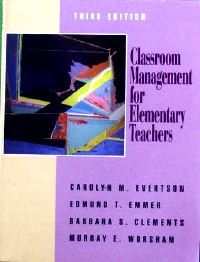
Evertson (Peabody College, Vanderbilt U.) and Emmer (U. of Texas at Austin) provide a handbook on establishing and maintaining a comprehensive classroom management plan. It covers classroom arrangement; rules and procedures; managing behavior, student work, instruction, and cooperative learning groups; communication skills; problem behaviors; and special groups like students with special needs and lower-achieving students. This edition has updated questions, activities, and references; expanded coverage of parental involvement, including home-school communication and example letters; more on bullying, power struggles, defiance, and school violence; and updated coverage of autism spectrum disorders. Merrill is an imprint of Pearson. Annotation 漏2009 Book News, Inc., Portland, OR (booknews.com)
目录
Preface p. ix
Organizing Your Classroom and Supplies p. 1
Four Keys to Good Room Arrangement p. 3
Suggestions for Arranging Your Classroom p. 4
Wall and Ceiling Space p. 4
Floor Space p. 6
Storage Space and Supplies p. 12
Further Reading p. 14
Suggested Activities p. 15
Room Preparation p. 17
Choosing Rules and Procedures p. 18
Why All Kinds of Classrooms Need Rules and Procedures p. 19
Preliminary Considerations p. 20
Definition of Terms p. 20
Identifying School Rules and Procedures p. 21
Planning Your Classroom Rules p. 22
Student Participation in Rule Setting p. 23
Planning Classroom Procedures p. 25
Procedures for Room Use p. 25
Procedures during Individual Work and Teacher-Led Activities p. 27
Transitions into and out of the Room p. 29
Procedures during Teacher-Led Small-Group Instruction p. 30
Procedures during Cooperative Group Activities p. 32
General Procedures p. 32
Further Reading p. 34
Suggested Activities p. 35
Classroom Procedures and Rules in a Second-Grade Class p. 36
Using Centers in a Multitask Classroom p. 37
Rules and Procedures p. 38
Managing Student Work p. 40
Clear Communication of Assignments and Work Requirements p. 42
Instructions for Assignments p. 43
Standards for Form, Neatness, and Due Dates p. 43
Procedures for Absent Students p. 44
Monitoring Progress on and Completion of Assignments p. 45
Monitoring Work in Progress p. 45
Monitoring the Completion of Assignments p. 46
Maintaining Records of Student Work p. 47
Managing Student Portfolios p. 47
Managing the Paperwork p. 48
Feedback to Students p. 49
Further Reading p. 51
Suggested Activities p. 51
Managing Student Work p. 52
Keeping Students Involved during Center Activities p. 53
Using Technology in an Upper Elementary Grade p. 54
Poor Work and Study Habits in a Fourth-Grade Class p. 55
Accountability Procedures p. 56
Getting Off to a Good Start p. 58
Teaching Rules and Procedures p. 59
Planning for a Good Beginning p. 61
Planning for the First Days of School p. 62
Some Typical Activities p. 62
Communicating with Parents p. 67
Special Problems p. 68
Preparing for a Substitute p. 71
Further Reading p. 72
Suggested Activities p. 73
Beginning the Year in a Literature-Based Primary Classroom p. 73
Beginning the Year in a Sixth-Grade Math Class Using Cooperative Learning p. 80
Preparation for the Beginning of School p. 85
Planning and Conducting Instruction p. 87
Planning Instructional Activities p. 88
Types of Planning p. 89
Types of Instructional Activities p. 89
Arranging Activities within a Lesson p. 94
Planning for Clear Instruction p. 95
Technology in the Classroom p. 97
Kounin's Concepts for Managing Whole-Group Instruction p. 98
Preventing Misbehavior p. 100
Managing Movement p. 101
Maintaining Group Focus p. 101
Common Problems in Conducting Instruction p. 103
Transitions p. 103
Clarity p. 105
Further Reading p. 105
Suggested Activities p. 106
p. 106
p. 107
p. 107
p. 107
A Science Lesson in a Sixth-Grade Class p. 108
Planning for Instruction p. 109
Managing Cooperative Learning Groups p. 111
Research on Cooperative Learning p. 112
Examples of Group Activities p. 113
Strategies and Routines That Support Cooperative Learning p. 114
Room Arrangement p. 114
Talk and Movement Procedures p. 115
Group Attention Signals p. 116
Promoting Interdependence within the Group p. 117
Individual Accountability p. 118
Monitoring Student Work and Behavior p. 119
Interventions for Groups p. 120
Effective Group Work Skills p. 121
Social Skills p. 121
Explaining Skills p. 122
Leadership Skills p. 122
Beginning the Use of Cooperative Learning Groups p. 123
Room Arrangement p. 123
Procedures and Routines p. 123
Forming Groups p. 124
Initial Group Tasks p. 125
Teaching Group Skills p. 126
Student Goals and Participation p. 127
Using Group and Individual Rewards p. 128
Further Reading p. 128
Suggested Activities p. 129
Planning for Cooperative Group Instruction p. 130
Maintaining Appropriate Student Behavior p. 131
Monitoring Student Behavior p. 133
Consistency p. 135
Management of Inappropriate Behavior p. 136
Four Ways to Manage Inappropriate Behavior p. 137
Building a Positive Climate p. 137
Improving Class Climate through Incentives and Rewards p. 139
Recognition p. 140
Activities p. 140
Symbols p. 141
Material Incentives p. 142
Caution in the Use of Rewards p. 143
Further Reading p. 144
Suggested Activities p. 145
Misbehavior in a Third-Grade Class p. 147
Communication Skills for Teaching p. 149
Constructive Assertiveness p. 152
Stating the Problem or Concern p. 153
Body Language p. 153
Obtaining Appropriate Behavior p. 154
Empathic Responding p. 154
Listening Skills p. 156
Processing Skills p. 156
Problem Solving p. 158
Talking with Parents p. 162
Further Reading p. 163
Suggested Activities p. 163
Developing Assertiveness Skills p. 163
Recognizing Listening Responses p. 164
Producing Empathic Responses p. 165
Problem-Solving Exercises p. 166
Dialogue Analysis p. 167
Vignettes p. 167
Brad p. 167
Alice and Alicia p. 168
Terrence p. 169
Assertiveness Assessment Scales p. 170
Managing Problem Behaviors p. 172
What Is Problem Behavior? p. 174
Nonproblem p. 174
Minor Problem p. 174
Major Problem but Limited in Scope and Effects p. 174
Escalating or Spreading Problem p. 174
Goals for Managing Problem Behavior p. 175
Management Strategies p. 175
Minor Interventions p. 177
Moderate Interventions p. 179
More Extensive Interventions p. 181
Special Problems p. 187
Tattling p. 188
Rudeness toward the Teacher p. 189
Chronic Avoidance of Work p. 190
Fighting p. 191
Other Aggressive Behavior p. 192
Defiance or Hostility toward the Teacher p. 192
A Final Reminder: Think and Act Positively p. 193
Further Reading p. 194
Suggested Activities p. 195
Managing Special Groups p. 196
Assessing Entering Achievement p. 197
Identifying Special Groups p. 198
Strategies for Individual Differences p. 198
Team Teaching p. 198
Modifying Whole-Class Instruction p. 200
Supplementary Instruction p. 201
Individualized Instruction p. 205
Additional Strategies p. 208
Working with Special Needs Students p. 209
Students with Learning Disabilities p. 210
Students with Emotional or Behavioral Problems p. 210
Students with Serious Social Deficits (Asperger's Syndrome) p. 212
Students with Attention Deficit and Hyperactivity p. 213
Students Who Are Deaf or Hearing Impaired p. 214
Students Who Have Visual Impairments p. 215
Students with Limited English Proficiency p. 216
Students Living in Extreme Poverty p. 218
Teaching Lower-Achieving Students p. 219
Active Instruction p. 219
Organizing and Pacing Instruction p. 220
Remedial Instruction p. 220
Building Positive Attitudes p. 221
Teaching Higher-Achieving Students p. 222
Further Reading p. 223
Suggested Activities p. 223
Organizing Reading Instruction for Low Academic Level Students p. 224
Supporting Students with Auditory Disabilities in the Classroom p. 225
Teaching Students in a Third-Grade Inclusion Class p. 226
Team Teaching p. 227
A Heterogeneous Class p. 227
Answer Keys for Chapter Activities p. 228
References and Further Readings p. 238
Index p. 243
Organizing Your Classroom and Supplies p. 1
Four Keys to Good Room Arrangement p. 3
Suggestions for Arranging Your Classroom p. 4
Wall and Ceiling Space p. 4
Floor Space p. 6
Storage Space and Supplies p. 12
Further Reading p. 14
Suggested Activities p. 15
Room Preparation p. 17
Choosing Rules and Procedures p. 18
Why All Kinds of Classrooms Need Rules and Procedures p. 19
Preliminary Considerations p. 20
Definition of Terms p. 20
Identifying School Rules and Procedures p. 21
Planning Your Classroom Rules p. 22
Student Participation in Rule Setting p. 23
Planning Classroom Procedures p. 25
Procedures for Room Use p. 25
Procedures during Individual Work and Teacher-Led Activities p. 27
Transitions into and out of the Room p. 29
Procedures during Teacher-Led Small-Group Instruction p. 30
Procedures during Cooperative Group Activities p. 32
General Procedures p. 32
Further Reading p. 34
Suggested Activities p. 35
Classroom Procedures and Rules in a Second-Grade Class p. 36
Using Centers in a Multitask Classroom p. 37
Rules and Procedures p. 38
Managing Student Work p. 40
Clear Communication of Assignments and Work Requirements p. 42
Instructions for Assignments p. 43
Standards for Form, Neatness, and Due Dates p. 43
Procedures for Absent Students p. 44
Monitoring Progress on and Completion of Assignments p. 45
Monitoring Work in Progress p. 45
Monitoring the Completion of Assignments p. 46
Maintaining Records of Student Work p. 47
Managing Student Portfolios p. 47
Managing the Paperwork p. 48
Feedback to Students p. 49
Further Reading p. 51
Suggested Activities p. 51
Managing Student Work p. 52
Keeping Students Involved during Center Activities p. 53
Using Technology in an Upper Elementary Grade p. 54
Poor Work and Study Habits in a Fourth-Grade Class p. 55
Accountability Procedures p. 56
Getting Off to a Good Start p. 58
Teaching Rules and Procedures p. 59
Planning for a Good Beginning p. 61
Planning for the First Days of School p. 62
Some Typical Activities p. 62
Communicating with Parents p. 67
Special Problems p. 68
Preparing for a Substitute p. 71
Further Reading p. 72
Suggested Activities p. 73
Beginning the Year in a Literature-Based Primary Classroom p. 73
Beginning the Year in a Sixth-Grade Math Class Using Cooperative Learning p. 80
Preparation for the Beginning of School p. 85
Planning and Conducting Instruction p. 87
Planning Instructional Activities p. 88
Types of Planning p. 89
Types of Instructional Activities p. 89
Arranging Activities within a Lesson p. 94
Planning for Clear Instruction p. 95
Technology in the Classroom p. 97
Kounin's Concepts for Managing Whole-Group Instruction p. 98
Preventing Misbehavior p. 100
Managing Movement p. 101
Maintaining Group Focus p. 101
Common Problems in Conducting Instruction p. 103
Transitions p. 103
Clarity p. 105
Further Reading p. 105
Suggested Activities p. 106
p. 106
p. 107
p. 107
p. 107
A Science Lesson in a Sixth-Grade Class p. 108
Planning for Instruction p. 109
Managing Cooperative Learning Groups p. 111
Research on Cooperative Learning p. 112
Examples of Group Activities p. 113
Strategies and Routines That Support Cooperative Learning p. 114
Room Arrangement p. 114
Talk and Movement Procedures p. 115
Group Attention Signals p. 116
Promoting Interdependence within the Group p. 117
Individual Accountability p. 118
Monitoring Student Work and Behavior p. 119
Interventions for Groups p. 120
Effective Group Work Skills p. 121
Social Skills p. 121
Explaining Skills p. 122
Leadership Skills p. 122
Beginning the Use of Cooperative Learning Groups p. 123
Room Arrangement p. 123
Procedures and Routines p. 123
Forming Groups p. 124
Initial Group Tasks p. 125
Teaching Group Skills p. 126
Student Goals and Participation p. 127
Using Group and Individual Rewards p. 128
Further Reading p. 128
Suggested Activities p. 129
Planning for Cooperative Group Instruction p. 130
Maintaining Appropriate Student Behavior p. 131
Monitoring Student Behavior p. 133
Consistency p. 135
Management of Inappropriate Behavior p. 136
Four Ways to Manage Inappropriate Behavior p. 137
Building a Positive Climate p. 137
Improving Class Climate through Incentives and Rewards p. 139
Recognition p. 140
Activities p. 140
Symbols p. 141
Material Incentives p. 142
Caution in the Use of Rewards p. 143
Further Reading p. 144
Suggested Activities p. 145
Misbehavior in a Third-Grade Class p. 147
Communication Skills for Teaching p. 149
Constructive Assertiveness p. 152
Stating the Problem or Concern p. 153
Body Language p. 153
Obtaining Appropriate Behavior p. 154
Empathic Responding p. 154
Listening Skills p. 156
Processing Skills p. 156
Problem Solving p. 158
Talking with Parents p. 162
Further Reading p. 163
Suggested Activities p. 163
Developing Assertiveness Skills p. 163
Recognizing Listening Responses p. 164
Producing Empathic Responses p. 165
Problem-Solving Exercises p. 166
Dialogue Analysis p. 167
Vignettes p. 167
Brad p. 167
Alice and Alicia p. 168
Terrence p. 169
Assertiveness Assessment Scales p. 170
Managing Problem Behaviors p. 172
What Is Problem Behavior? p. 174
Nonproblem p. 174
Minor Problem p. 174
Major Problem but Limited in Scope and Effects p. 174
Escalating or Spreading Problem p. 174
Goals for Managing Problem Behavior p. 175
Management Strategies p. 175
Minor Interventions p. 177
Moderate Interventions p. 179
More Extensive Interventions p. 181
Special Problems p. 187
Tattling p. 188
Rudeness toward the Teacher p. 189
Chronic Avoidance of Work p. 190
Fighting p. 191
Other Aggressive Behavior p. 192
Defiance or Hostility toward the Teacher p. 192
A Final Reminder: Think and Act Positively p. 193
Further Reading p. 194
Suggested Activities p. 195
Managing Special Groups p. 196
Assessing Entering Achievement p. 197
Identifying Special Groups p. 198
Strategies for Individual Differences p. 198
Team Teaching p. 198
Modifying Whole-Class Instruction p. 200
Supplementary Instruction p. 201
Individualized Instruction p. 205
Additional Strategies p. 208
Working with Special Needs Students p. 209
Students with Learning Disabilities p. 210
Students with Emotional or Behavioral Problems p. 210
Students with Serious Social Deficits (Asperger's Syndrome) p. 212
Students with Attention Deficit and Hyperactivity p. 213
Students Who Are Deaf or Hearing Impaired p. 214
Students Who Have Visual Impairments p. 215
Students with Limited English Proficiency p. 216
Students Living in Extreme Poverty p. 218
Teaching Lower-Achieving Students p. 219
Active Instruction p. 219
Organizing and Pacing Instruction p. 220
Remedial Instruction p. 220
Building Positive Attitudes p. 221
Teaching Higher-Achieving Students p. 222
Further Reading p. 223
Suggested Activities p. 223
Organizing Reading Instruction for Low Academic Level Students p. 224
Supporting Students with Auditory Disabilities in the Classroom p. 225
Teaching Students in a Third-Grade Inclusion Class p. 226
Team Teaching p. 227
A Heterogeneous Class p. 227
Answer Keys for Chapter Activities p. 228
References and Further Readings p. 238
Index p. 243
- 名称
- 类型
- 大小
光盘服务联系方式: 020-38250260 客服QQ:4006604884
云图客服:
用户发送的提问,这种方式就需要有位在线客服来回答用户的问题,这种 就属于对话式的,问题是这种提问是否需要用户登录才能提问
Video Player
×
Audio Player
×
pdf Player
×
